
Have you ever thought about getting plastic surgery, but froze at the idea of the operating room, anesthesia, or recovery? If so, take a deep breath: being afraid of plastic surgery is completely normal and much more common than most people think.
That fear doesn’t mean you’re weak, indecisive, or “less brave.” In fact, it shows that you care about your body, your health, and the decisions you make. Fear is a natural protective response. And what we do with it is what truly matters.
In this article, let’s have an honest, no-judgment conversation about where that fear comes from, how it influences your choices, and what you can do to feel more confident before moving forward with a cosmetic procedure.
Why does this fear happen?
The fear of undergoing plastic surgery can come from many different places. Some people worry about anesthesia or the recovery period. Others fear the pain, potential scarring, or the possibility of results not turning out as expected.
There are also those who carry negative stories — whether real or exaggerated — from other people. All of this can fuel insecurity.
And of course, there’s the fear of the unknown. When you don’t know exactly what will happen before, during, and after the procedure, it’s natural for your brain to go into alert mode.
In some cases, the fear isn’t even about the procedure itself — but about what others might think.
“Will people judge me for wanting to change something about my body?”
“Will they think I’m being vain?”
“Am I overreacting?”
These questions are common and show that the fear is often more connected to emotions and self-esteem than to the scalpel itself.
The more you understand the process, the less scary it feels
A big part of the fear comes from the unknown. That’s why understanding the step-by-step of the surgery can go a long way in reducing anxiety.
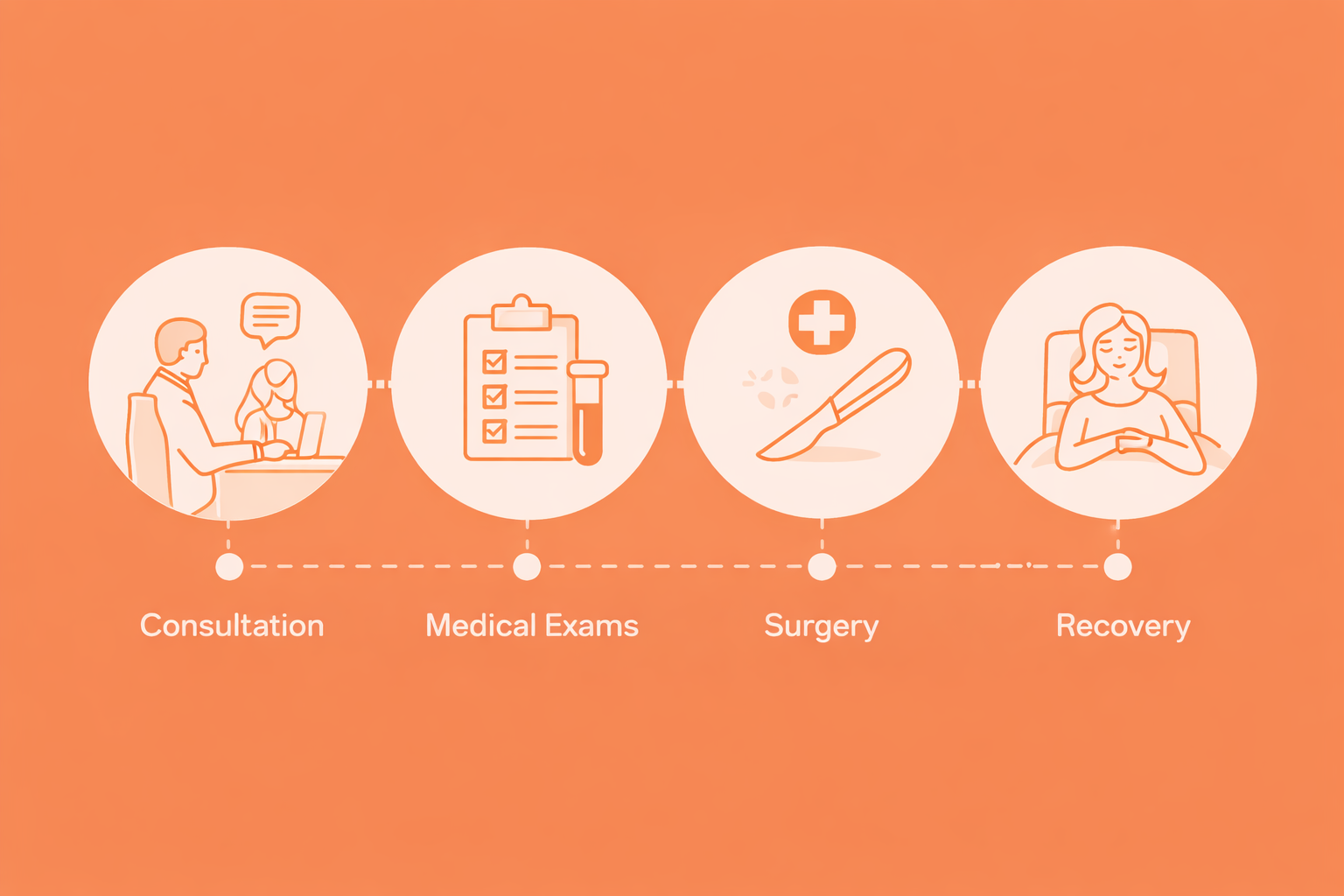
Here’s how the process usually works:
- Initial consultation: You meet with the surgeon, share your goals, ask questions, and receive personalized guidance.
- Exams and preparation: You’ll undergo medical tests to ensure you’re healthy enough for the procedure.
- Surgery day: The medical team follows strict safety protocols, with experienced anesthesiologists and a fully equipped surgical environment.
- Recovery period: You’ll get detailed aftercare instructions, return for follow-up visits, and receive support until you’re fully healed.
When everything is clearly explained, your mindset shifts: you stop thinking “what if?” and start feeling “I know what to expect.”
Predictability calms the mind
Knowing what recovery will look like, for example, helps you get organized — take time off work, adjust your home routine, prep easy meals, and arrange support for the first few days. All of that matters.
More importantly, understanding that discomfort is part of the process, but temporary, and that most procedures carry low risk when performed by qualified professionals, helps you replace fear with a solid plan.
How to deal with the fear of plastic surgery in real life
Nothing brings more peace of mind than looking at your surgeon and thinking, “I’m in good hands.”
That’s why it’s so important to choose someone with:
- Recognized certification (such as from the American Board of Plastic Surgery)
- Experience with the specific procedure you’re considering
- A solid reputation and positive feedback from other patients
- Clear communication and the patience to answer all your questions
Avoid choosing based only on price or popularity. The connection you feel with the surgeon truly matters.
Speak openly during your consultation
This is the time to say everything on your mind, even if it feels silly or exaggerated.
- Worried about the anesthesia? Say it.
- Not sure if the result will look natural? Ask.
- Have doubts about the recovery process? Write them down and bring them.
A good surgeon won’t just answer with empathy, they’ll help you separate fact from myth and explain exactly what can be done to ensure your safety and comfort.
Seek emotional support
If fear is holding you back, talking to a therapist might help. Plastic surgery affects not only the body but also the mind, especially if you’ve struggled with self-esteem or body image issues in the past.
Having a support system — family, friends, a partner — also makes a big difference. Sharing your concerns with people you trust can make the whole experience feel lighter and more manageable.
Plastic surgery should be a conscious choice
No one needs to change anything, unless they truly want to.
You don’t “have to” get plastic surgery. But if it makes sense to you, if it’s something you genuinely want for yourself, it’s okay to want to change something about your body.
The transformation you’re considering should be about you, not about fitting into a standard, pleasing someone else, or living up to external expectations.
Plastic surgery won’t fix everything, but it can be a powerful tool for self-esteem. And if, after thoughtful reflection, you feel ready, you don’t have to let fear stop you.
You don’t have to be fearless — you just need to be informed and supported by the right professionals.
Smart Plastic Surgery is by your side every step of the way
At Smart Plastic Surgery, we know that courage isn’t the absence of fear — it’s moving forward despite it.
That’s why we’ve created a welcoming environment where you can ask questions without pressure, talk to experienced professionals, and make informed decisions at your own pace.
Our team is here to listen, guide, and support you from the very beginning of your journey — with care, empathy, and commitment.
Want to talk about your fears, your questions, or simply understand the process better?
👉 Book a consultation with us. Let’s make this decision together.