You just went through a mastectomy and now you wonder: how long will I need to wear this surgical bra? This question comes up for almost every woman who undergoes the procedure.
The answer varies depending on several individual factors, but understanding the process helps you build more realistic expectations throughout your recovery.
Why the surgical bra becomes part of the post-mastectomy routine
After a mastectomy, the chest goes through swelling, tenderness, and changes in natural tissue support.
Hospitals and medical centers in the United States often recommend wearing a surgical bra because of the external support it provides.
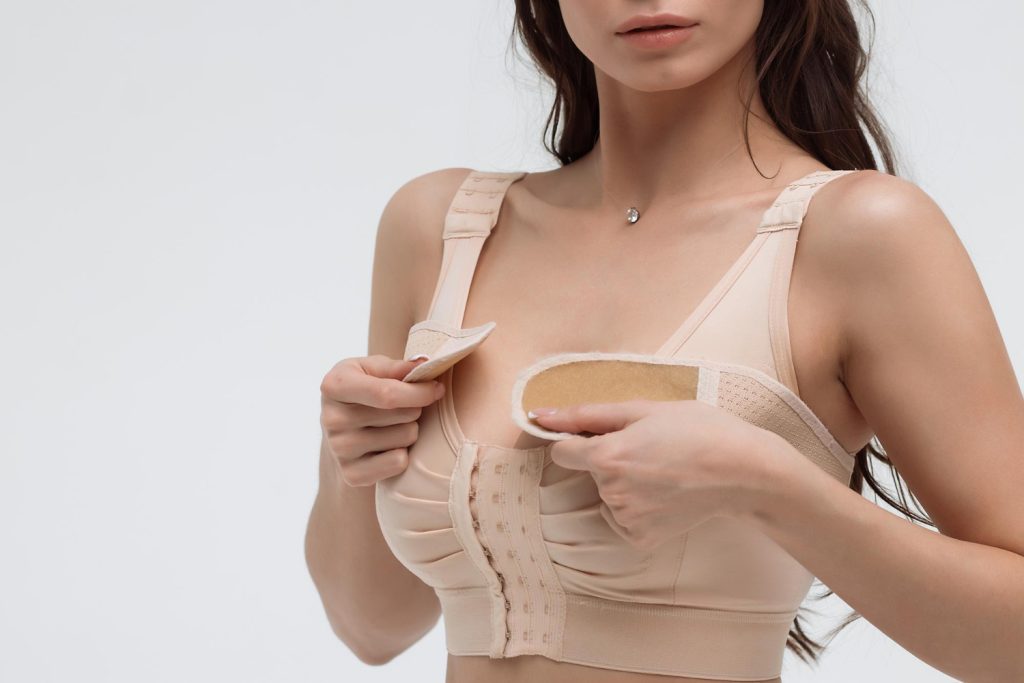
The purpose involves keeping the area stable, protecting the incisions, and helping manage swelling.
In cases of reconstruction with an implant or tissue expander, this support assists in maintaining the initial position.
When can you start taking breaks?
Usually, after the first two weeks, your surgeon may allow short intervals. You may remove it to shower and, depending on how your recovery is progressing, you might stay a few hours without it during the day. However, this varies greatly from one patient to another.
At Smart Plastic Surgery in Miami, patients receive personalized guidance based on their individual healing progress. Factors such as age, tissue characteristics, whether immediate reconstruction took place, and even your genetic tendency for healing influence these recommendations.
What is the average period of continuous use?
Most surgeons recommend wearing the surgical bra for about 4 to 6 weeks after the procedure. Some women may need to extend this period to up to 8 weeks, especially if they had immediate breast reconstruction.
Did you undergo reconstruction with implants? The timeline may differ from those who had autologous tissue reconstruction (flaps). Implants usually require longer support to help them settle properly into the desired position.
Factors that influence the length of use:
- Type of mastectomy performed (total, partial, bilateral)
- Immediate or delayed reconstruction
- Implants versus autologous tissue
- Patient’s healing history
- Presence of postoperative complications
- Amount of drainage and swelling
How do you know if you’re wearing it for long enough?
Your body sends signals. If you remove the bra and feel discomfort, a sense of heaviness, or notice increased swelling, the support likely remains necessary.
Lymphatic drainage also works as an indicator: while significant drainage persists, the surgical bra after my mastectomy continues to play an important role.
A study published in the Journal of Plastic and Reconstructive Surgery shows that proper postoperative compression may reduce complications by up to 30%.
This suggests that following guidance about the bra is not just a general recommendation but a proven strategy to support better outcomes.
Typical timeline for wearing a surgical bra
| Period | Frequency of use | Notes |
| 0–2 weeks | 24 hours/day | Continuous use, removing only for a quick shower if approved |
| 2–4 weeks | 20–22 hours/day | Short breaks allowed based on medical evaluation |
| 4–6 weeks | 12–18 hours/day | Mostly used during the day and activities |
| 6–8 weeks | As needed | Gradual transition to regular bras |
How to choose a good surgical bra in the United States
The U.S. market offers several options designed for post-mastectomy recovery. Brands like Amoena, AnaOno, and Lipoelastic appear among the most popular choices.
A few features help a lot when selecting the right one:
- Front closure for easier dressing
- Adjustable straps
- Uniform compression
- Breathable fabric
- No rigid internal seams
These features appear in recommendations from oncology centers, as they provide adequate comfort and support.
Read more:
👉 What’s the average bra size for your age?
How to sleep comfortably while wearing a surgical bra?
The first nights after your mastectomy may feel challenging, especially when you need to sleep with a surgical bra on. Many women report difficulty finding a comfortable position, but a few strategies help you get more restful sleep.
During the first weeks, sleeping on your back with your upper body slightly elevated tends to be the most recommended position. You may use extra pillows or adjust the head of the bed to create an incline of about 30 to 45 degrees. This position reduces swelling and minimizes pressure on the operated area.
If you usually sleep on your side, a temporary adjustment becomes necessary. Sleeping on the operated side usually isn’t recommended during the first 4 to 6 weeks. If you had a bilateral mastectomy and really need to sleep on your side, place a soft pillow between your arms to create gentle support.
Tips to improve nighttime comfort:
- Choose nightgowns or pajamas with a front opening to make bathroom trips easier without lifting your arms
- Keep the room at a comfortable temperature, since the surgical bra may increase warmth
- Place a small pillow under your knees to ease back tension when lying on your back
- Avoid caffeine and bright screens before bedtime to offset physical discomfort with better sleep quality
Temporary insomnia is common after breast surgeries, affecting about 40% of patients according to sleep medicine research.
Read more:
👉 When can I sleep on my back after a BBL?
Practical tips for living with a surgical bra
Wearing a surgical bra for several consecutive weeks requires specific care to maintain both hygiene and comfort throughout your recovery.
Daily habits that make a difference:
- Keep at least two surgical bras so you can alternate while washing
- Wash with mild soap and cold water to preserve elasticity
- Let them air dry in the shade, avoiding the dryer
- Check daily for any irritation or excessive pressure marks
- Wear a soft cotton shirt underneath if the seams cause discomfort
Your recovery is unique
There isn’t a single answer for how long to wear the surgical bra after my mastectomy. Your body, your type of surgery, and your healing pace determine that timeline.
The most important thing is to maintain open communication with your medical team and follow the personalized guidance you receive.
💭 Remember: this period may feel long right now, but it represents only a small part of the journey you’ve already completed. Each day wearing the surgical bra supports a smoother recovery and a better outcome. Your health and well-being deserve that level of care.