Have you ever wondered why some people look radiant after plastic surgery while others don’t achieve the expected results, even with the same surgeon? The difference might lie more in their daily habits than you imagine.
When we think about plastic surgery, it’s natural to focus all our attention on choosing the right professional, the technique used, and the costs involved. But there’s a determining factor that often goes unnoticed: your lifestyle. The truth is that lifestyle can affect your plastic surgery results in ways you may have never considered.
Your body is a complex machine that needs optimal conditions to recover and heal properly. Every choice you make throughout the day, from what you eat for breakfast to how many hours you sleep at night, contributes to creating the perfect or problematic environment for your transformation.
Why your daily habits matter more than you think
Plastic surgery isn’t magic. It’s an intervention that depends on your body’s natural ability to regenerate and heal.
Your surgeon may have skilled hands and years of experience, but they work with the resources your body provides. If you supply your organism with the necessary tools through good habits, you’re enhancing the professional’s work. On the other hand, harmful habits can sabotage even the most expertly executed surgery.
The good news? You have much more control over your results than you imagine. Small lifestyle changes can create significant differences in final appearance, recovery speed, and the longevity of your results.
Lifestyle factors that impact your results
1. Smoking
Nicotine and other chemical substances present in cigarettes cause blood vessel constriction, drastically reducing blood flow to tissues that are trying to heal.
When blood doesn’t reach the operated areas adequately, oxygen and nutrients don’t arrive either. The result? More visible scars, higher risk of tissue necrosis, prolonged recovery time, and in severe cases, complete loss of expected results.
Most plastic surgeons recommend stopping smoking at least four to six weeks before the procedure and maintaining abstinence for at least the same period after surgery.
This includes electronic cigarettes and other nicotine products. It may seem like a big sacrifice, but consider this a direct investment in the quality of your results.
2. Nutrition
Your body needs specific raw materials to build new tissue and repair damage. Nutrition plays a central role in this plastic surgery recovery lifestyle process.
Proteins are particularly important because they provide the amino acids necessary to synthesize collagen, the structural protein that keeps your skin firm and aids in healing. Including lean protein sources like chicken, fish, eggs, and legumes in your meals can significantly accelerate your recovery.
Vitamins and minerals also deserve special attention. Vitamin C is fundamental for collagen production and has antioxidant properties that combat inflammation. Zinc assists in cellular regeneration and strengthening the immune system. B-complex vitamins help with cellular energy production.
On the other hand, ultra-processed foods rich in refined sugar and trans fats can increase inflammation in the body, hindering the natural healing process. During the recovery period, avoid fast food, sodas, and industrialized products as much as possible.
Read more:
👉 Recommended diet before and after plastic surgery
3. Hydration
Water doesn’t have glamour, but it’s one of the most underestimated factors when we talk about healthy habits before plastic surgery. Adequate hydration maintains skin elasticity, facilitates blood circulation, and helps eliminate toxins from the organism.
When you’re well hydrated, your cells function better at all levels. Skin becomes softer, healing happens more quickly, and post-operative swelling tends to decrease faster.
The general recommendation is to consume at least 2 liters of water per day, but this can vary according to your weight, physical activity level, and climate. A practical tip: if your urine is light yellow, you’re probably well hydrated. If it’s dark and concentrated, it’s time to drink more water.
4. Physical activity
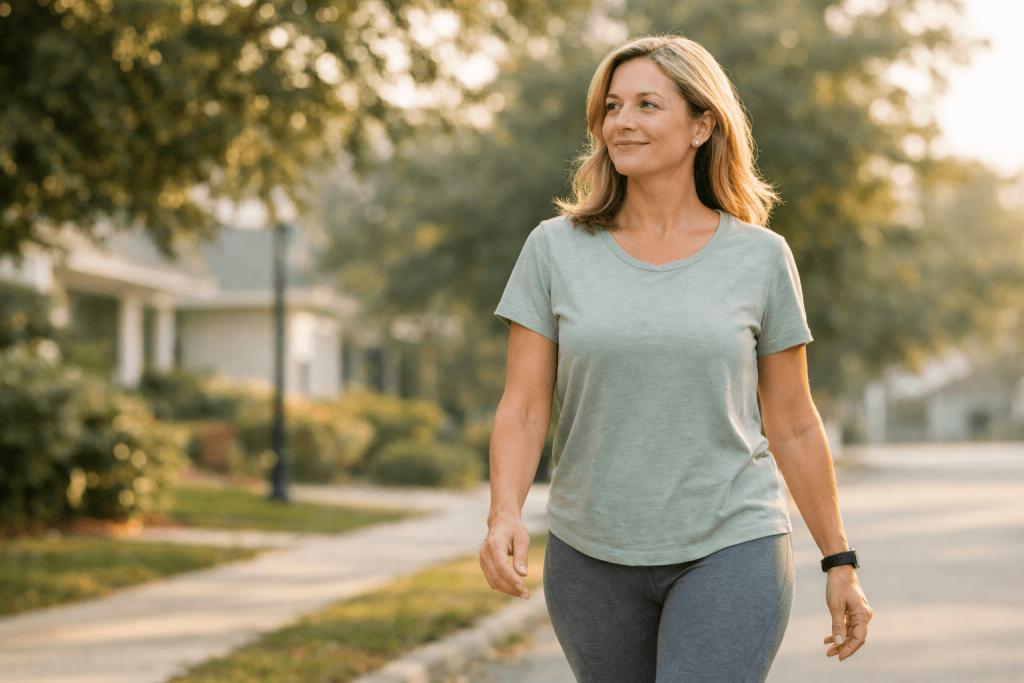
Regular exercise before surgery prepares your body in several ways. It improves blood circulation, strengthens the cardiovascular system, and helps maintain stable weight—important factors for a smooth recovery.
However, timing is important when we think about exercise after plastic surgery. In the first weeks following the procedure, your body needs rest to direct energy toward healing. Forcing intense activities too early can cause complications, increase swelling, and even compromise results.
Most surgeons recommend light walks a few days after surgery to stimulate circulation and prevent blood clots.
More intense exercises are generally cleared gradually, starting with low-impact activities after 4-6 weeks, depending on the type of procedure performed.
Always follow your surgeon’s specific guidelines about when and how to resume your physical activities. Each procedure has its particularities, and your doctor knows the details of your case.
5. Alcohol consumption
The relationship between alcohol and surgical healing is more complex than many people imagine. Alcohol interferes with blood coagulation, which can increase bleeding during and after surgery. It also dehydrates the body, exactly the opposite of what you need for good recovery.
Alcohol consumption temporarily weakens the immune system, leaving you more vulnerable to infections. It can interfere with medications you’ll be taking post-operatively, including painkillers and antibiotics.
The standard recommendation is to avoid alcohol for at least two weeks before surgery and several weeks afterward, depending on the procedure. Some surgeons are even more conservative and recommend abstinence for longer periods.
If you have questions about how long you should avoid alcohol in your specific case, talk openly with your surgeon. Honesty about your habits allows them to guide you appropriately.
6. Sleep quality
During sleep, your body enters intensive repair mode. Growth hormones are released, cells are regenerated, and the immune system is strengthened. When we talk about sleep and post-surgery recovery, we’re not just talking about quantity, but mainly quality.
Sleeping well before surgery prepares your body for the stress of the procedure. After surgery, quality sleep dramatically accelerates healing speed and reduces inflammation.
Try to maintain a regular sleep routine, going to bed and waking up at approximately the same times. Create a conducive environment: dark room, comfortable temperature, and free from electronic distractions at least one hour before bedtime.
Depending on the procedure performed, you may need to sleep in specific positions during the first weeks.
For example, after rhinoplasty or face lift, sleeping with your head elevated is generally recommended. After liposuction or abdominoplasty, specific positions can help reduce swelling. Prepare yourself with appropriate pillows before surgery.
7. Stress management
The impact of stress and plastic surgery outcomes is surprisingly significant. When you’re stressed, your body produces cortisol, a hormone that at elevated levels can slow healing, increase inflammation, and even affect skin quality.
Stress also tends to trigger other harmful habits: you may sleep poorly, eat inadequately, forget to hydrate, or turn to cigarettes and alcohol as coping mechanisms.
Consider incorporating relaxation techniques into your routine, especially in the weeks leading up to surgery. Meditation, deep breathing, gentle yoga, or simply spending time doing activities you love can make a real difference in your stress levels.
Having an emotional support system is also important. Talk with friends, family, or even consider therapy if you’re feeling anxious about the procedure. Entering surgery with a calm mind contributes to a smoother recovery.
Preparing your lifestyle before surgery
Ideal preparation begins about 4 to 6 weeks before the procedure. This gives your body enough time to adapt to positive changes and enter surgery in the best possible conditions.
Start by creating a personalized checklist of pre-surgery preparation tips:
6 weeks before:
- Stop smoking completely
- Start increasing water intake
- Adjust your diet to include more proteins and vegetables
- Establish a regular sleep routine
- Begin practicing stress management techniques
4 weeks before:
- Reduce or eliminate alcohol consumption
- Organize your recovery space at home
- Buy healthy foods and prepare meals to freeze
- Arrange help for the first days after surgery
- Continue with moderate exercise (as approved by your doctor)
2 weeks before:
- Avoid supplements that may increase bleeding (vitamin E, fish oil, some herbal remedies)
- Complete requested pre-operative exams
- Confirm all details with the surgical team
- Prepare comfortable clothing for post-operative period
1 week before:
- Finalize practical preparations (transportation, time off work)
- Maintain excellent hydration
- Avoid high-stress situations when possible
- Review post-operative instructions
Talk openly with your surgeon about your current lifestyle. If you’re having difficulty with any aspect, like quitting smoking or reducing alcohol, be honest. Many professionals can offer resources or referrals to help you make these important changes.
Maintaining good habits after the procedure
Surgery marks the beginning, not the end, of your journey. The choices you make during recovery are as important as the preparation that came before.
Here’s how to approach each phase of your post-operative care routine:
First days (1-7 days):
- Strictly follow all medical instructions about medications and dressing care
- Prioritize rest, but take light walks if directed
- Drink water constantly
- Eat nutritious foods, even if in small portions
- Keep your head or operated area elevated as recommended
- Avoid any alcohol, cigarettes, or intense physical activity
First weeks (1-4 weeks):
- Continue with protein and nutrient-rich nutrition
- Gradually increase your activity level as authorized
- Keep hydration and surgical results in mind: water is your ally
- Use compression garments if recommended
- Avoid direct sun exposure on operated areas
- Be patient with the healing process
Long term (after 1 month):
- Resume exercises gradually, respecting your body’s limits
- Maintain stable weight through balanced nutrition
- Continue avoiding tobacco indefinitely
- Use sunscreen daily on operated areas
- Maintain follow-up appointments with your surgeon
- Develop lifestyle changes for better results that are sustainable long-term
Remember that definitive results from many procedures can take months to appear completely. Residual swelling may persist, skin needs to accommodate the new shape, and scars go through various maturation phases. Patience combined with good habits is the formula for success.
You are an active part of your result
Plastic surgery is a partnership between you and your surgeon. While the professional contributes technical expertise and experience, you contribute by offering your body the best possible conditions to thrive during recovery.
Understanding how lifestyle can affect your plastic surgery results puts real power in your hands. It’s not about perfection, but about making conscious choices that support your goals. Every glass of water you drink, every quality night of sleep, every nutritious meal, and every day without cigarettes is a brick in building the results you desire.
The changes you make for surgery don’t need to be temporary. Many people discover that preparation for the procedure is the catalyst for adopting a healthier lifestyle permanently. The benefits go far beyond aesthetics, impacting your energy, overall health, and quality of life.
If you’re considering plastic surgery, start today evaluating your current habits. Identify areas where small improvements can make a big difference. Talk with your surgeon about your concerns and ask for specific guidance for your case.
Remember: investing in your lifestyle is investing directly in the quality and longevity of your surgical results. Your body has an incredible capacity to heal and transform when you offer the right tools. You deserve results that make you feel confident and happy, and you’re more in control of that than you imagine.